Posted onOctober 22, 2025|Comments Off on Classic Fairy Stories of the World
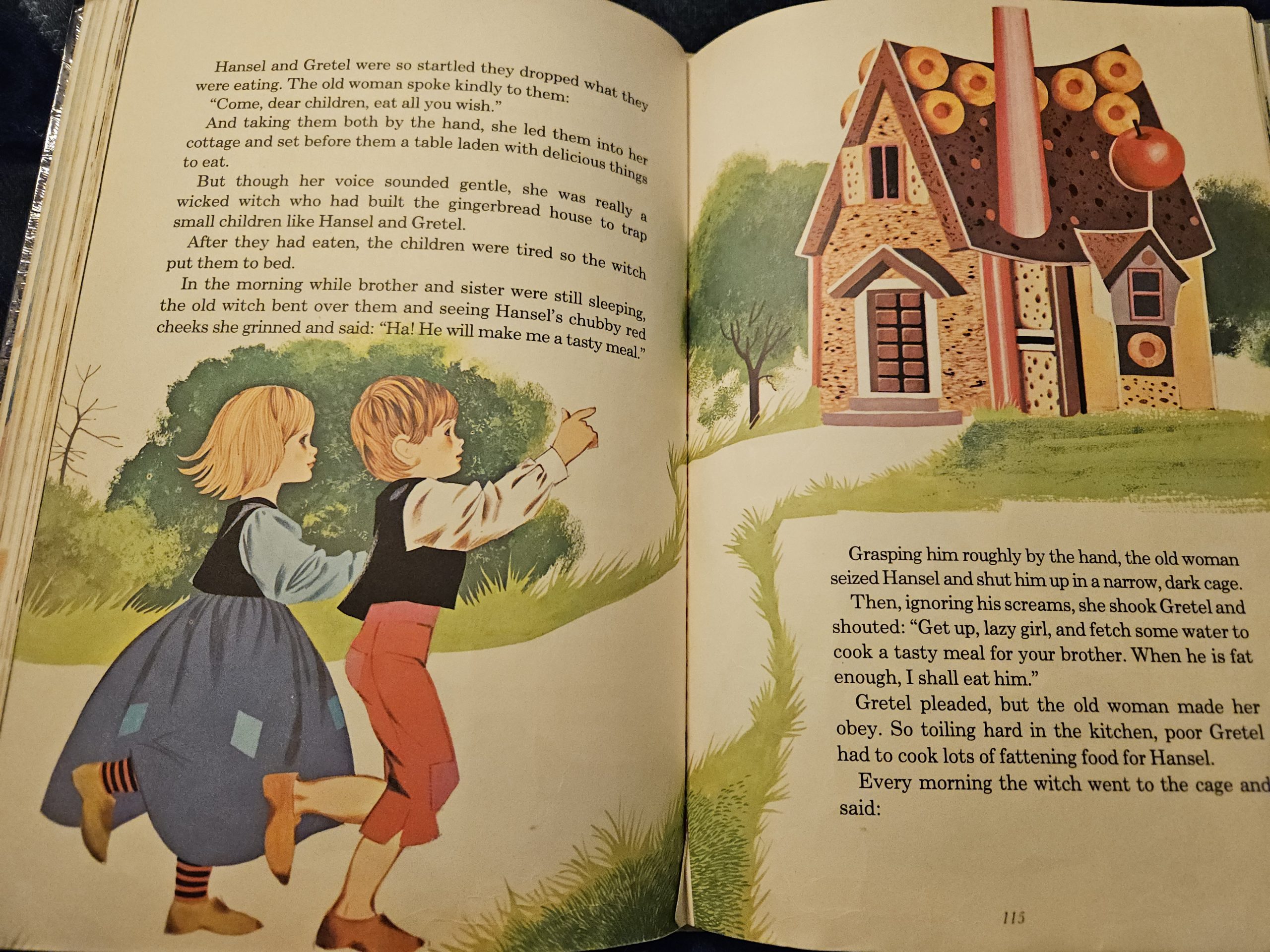
This book, from Cliveden Press (the 1979 edition), was the other primary fairy tale book of my childhood. As with the Childcraft book discussed below, when I think of fairy tales, a lot of the default versions in my head come from this book. And, also as with the Childcraft book, the boys didn’t spend nearly as much time with this book as I had as a child.
Authors: Many and uncredited
Illustrator: Uncredited
Comments Off on Classic Fairy Stories of the World
Posted onOctober 17, 2025|Comments Off on And May the Best Animal Win!
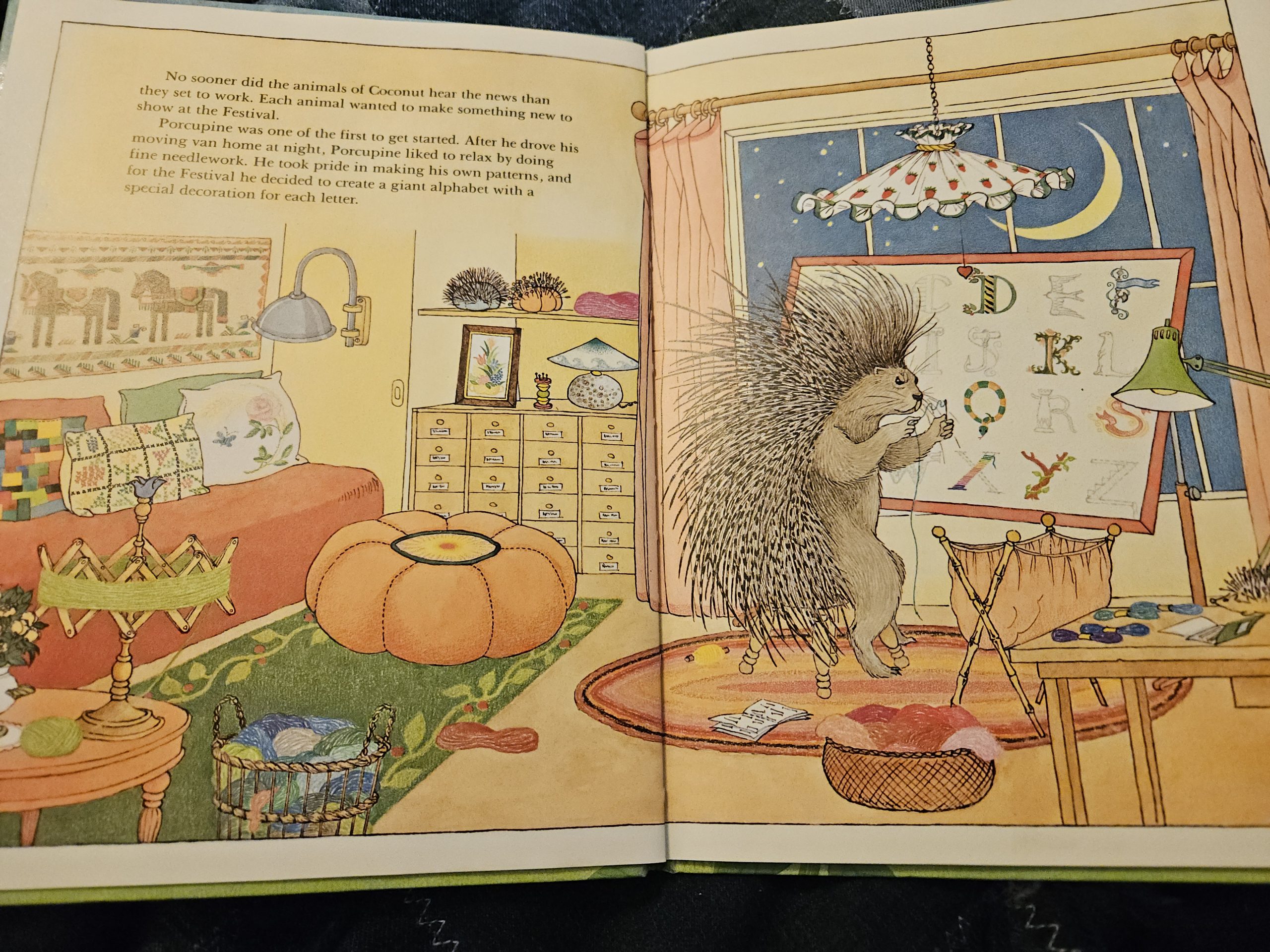
This book, Need a House? Call Ms. Mouse!, and The Elephant’s Airplane and Other Machines are peas in a pod. In all of them, various animals want something (a prize-winning project for a festival, a house, a means of transportation). In all of them, there really isn’t a story beyond that. The pleasure in these books (and there is a lot of it!) is all in the highly-detailed illustrations by Doris Susan Smith, whose artwork is very special. Of the three books, this was the least popular in our house and is the least essential. But it is still well worth having, again for the art alone.
Posted onOctober 16, 2025|Comments Off on Childcraft Folk and Fairy Tales
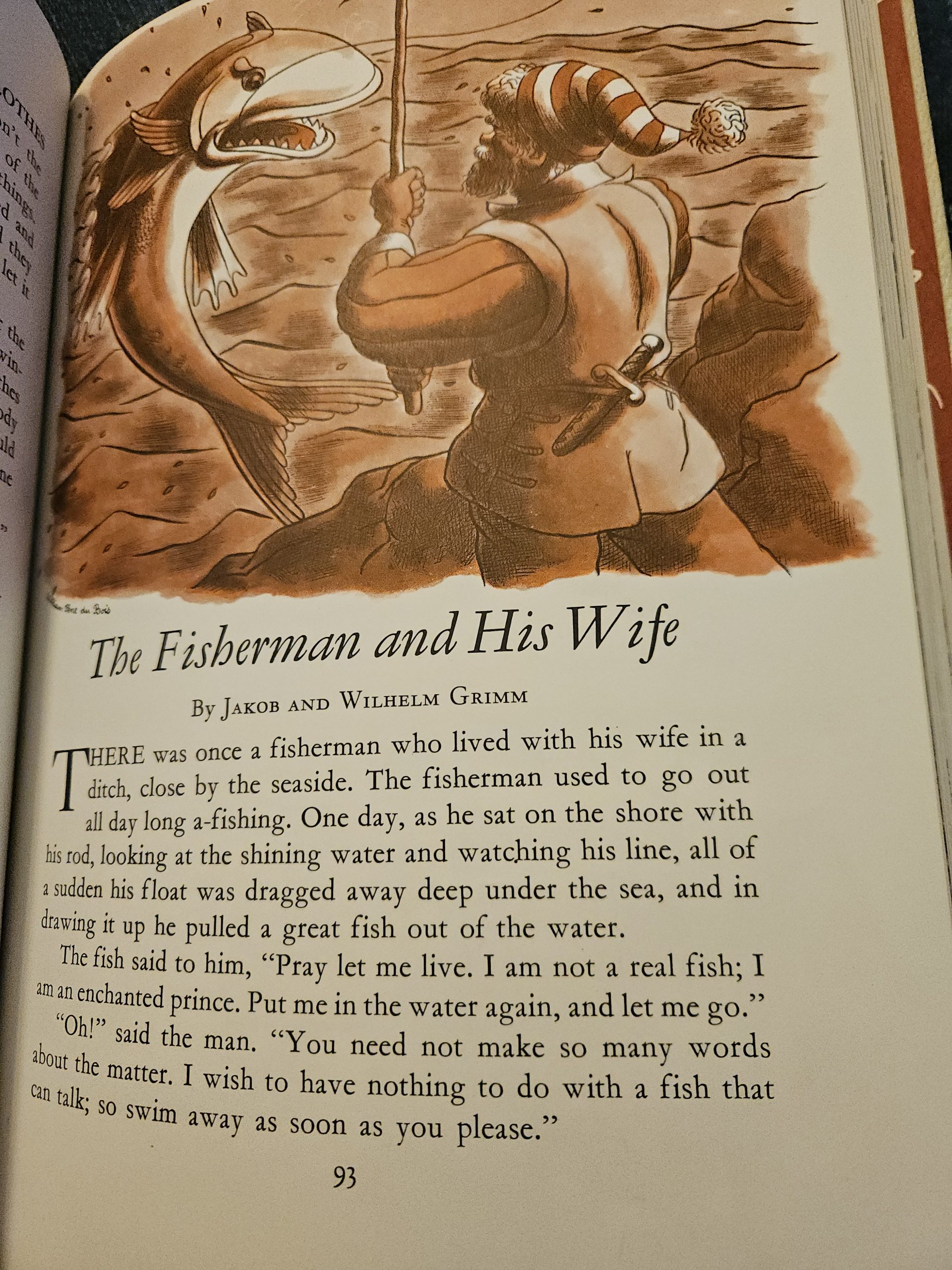
My family of origin had the whole 15-volume Childcraft set (the 1961 edition) when I was a child, but I ignored most of them (with the exception of this volume, Storytelling and Other Poems, Animal Friends and Adventures, Life in Many Lands, and Great Men and Famous Deeds). Most of them were non-fiction, and already VERY dated. This volume, however, was a favorite. It contains a variety of (mostly European) folk and fairy tales by lots of different authors and illustrators. When I think of fairy tales, a lot of the default versions in my head come from this book.
While I read some of the stories in it to the boys (fairy tales are important for cultural literacy!), they didn’t spend nearly as much time with this book as I had as a child. (After looking at the rest of the 1961 set as an adult, I ended up donating all the other volumes).
Authors: Many
Illustrators: Many and uncredited (although some pictures are signed)
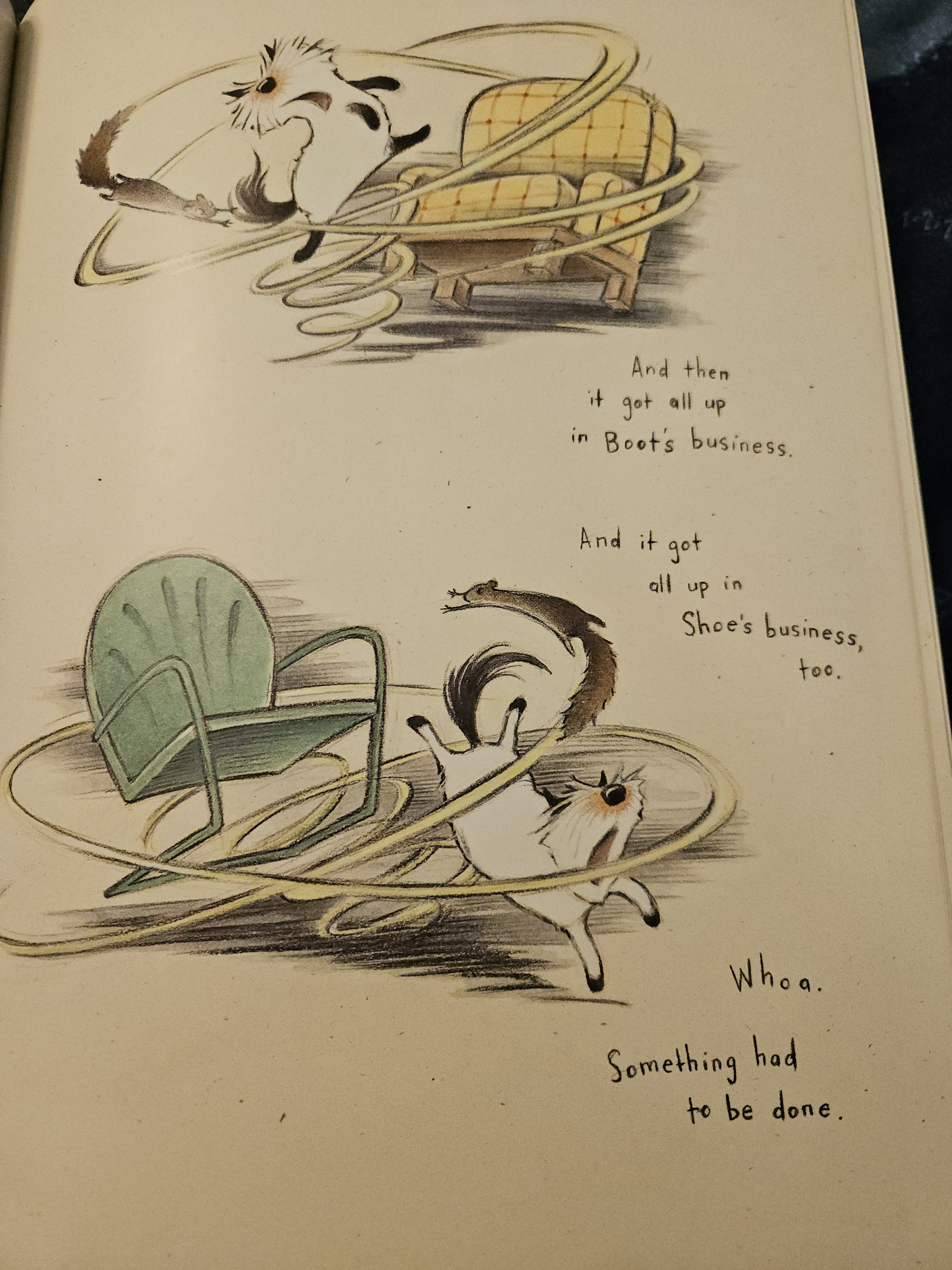
Two dog brothers and best friends do lots of things together (eating, sleeping, peeing), but one is a front porch kind of dog and the other is a back porch kind of dog. When a squirrel “gets all up in [their] business,” things get confused and the dogs miss each other terribly until the very funny happy ending.
This one was especially popular with my youngest. And I always enjoy the work of Marla Frazee, who has a sub-specialty in showing things in motion (as she did in Roller Coaster and Santa Claus the World’s Number One Toy Expert) and outdoes herself here. (Speaking of motion, is it possible that one of Those Darn Squirrels! is making a guest appearance here?)
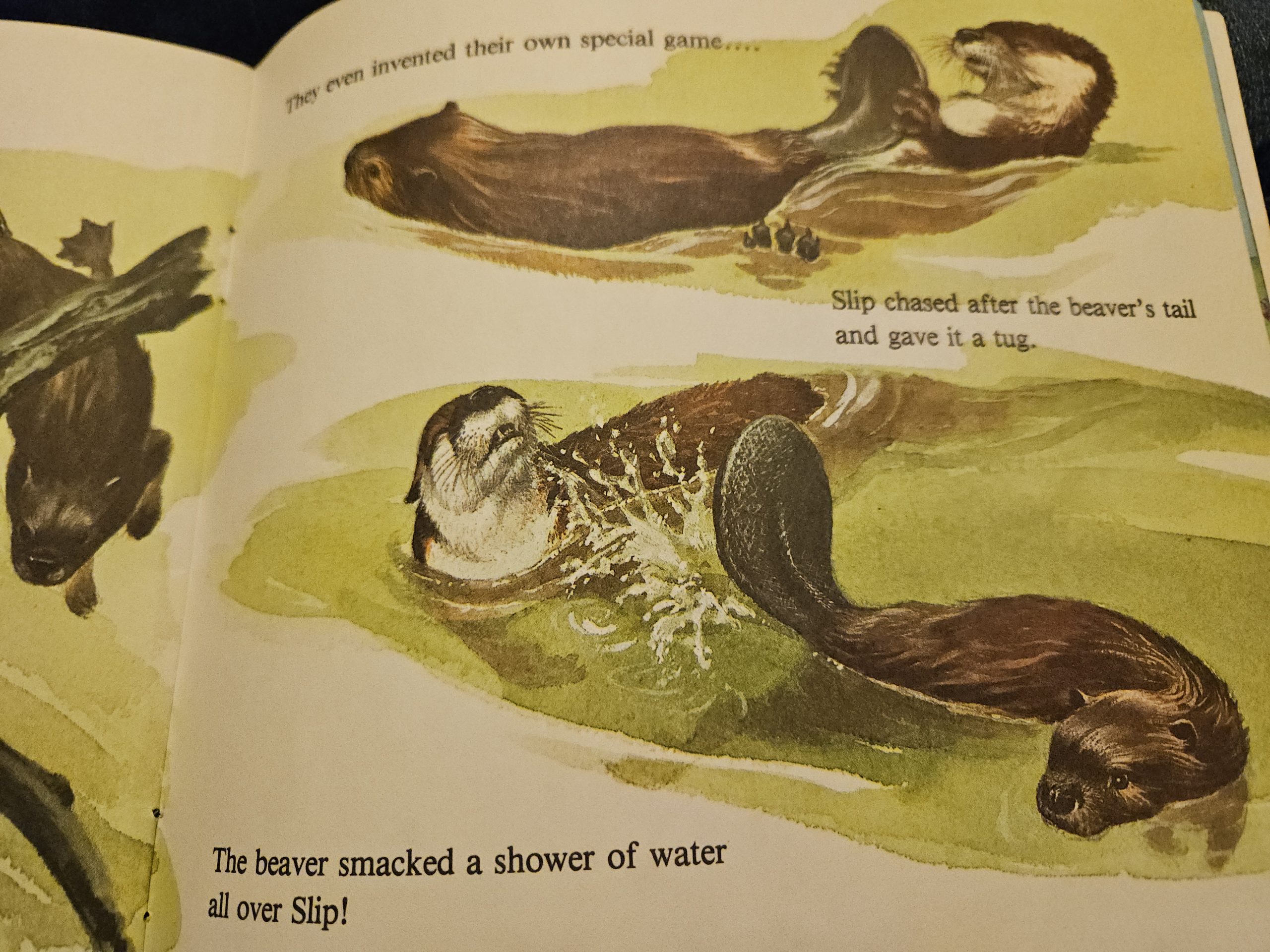
Posted onOctober 14, 2025|Comments Off on Slip the Otter Finds a Home
This is a book about helping children adjust to moving, like The Berenstain Bears’ Moving Day, but a bit more subtle. Slip’s otter family can’t find enough food, so they have to move to a new home, and Slip is sad. But when Slip finds a friend (and her family builds a new mud slide), she starts to feel better.
When I was small, I loved to look at the pictures in this book. And otters were very popular here when the boys were small. We liked visiting them at the zoo and we liked reading about them, in A Lot of Otters, Do Unto Otters, and this book too.
Posted onOctober 13, 2025|Comments Off on And to Think that I Saw it on Mulberry Street
This book is such fun. The words nearly sing as you read them aloud. The illustrations leap off the page. It’s hard to believe that this was Dr. Seuss’ first book–he really had his voice fully in place from the beginning. And I wish that was all I had to say, but this one has a serious caveat.
As mentioned, this book was Seuss’ first. That means it is close to 100 years old. And it shows–it is dated to the point where Seuss edited it in 1978 and his estate took it out of print altogether in 2021 (long after my boys’ picture book days were past). The copy that we have is an edited one, as was the copy I read as a child. I’ve looked up the original version now and… yikes. And knowing Dr. Seuss’ background creating political cartoons during World War II targeting Japanese Americans does not help matters at all. I’m honestly not sure I would read it to a child today. Read this one to yourself first before sharing it.
Author: Dr. Seuss
Illustrator: Dr. Seuss
Comments Off on And to Think that I Saw it on Mulberry Street
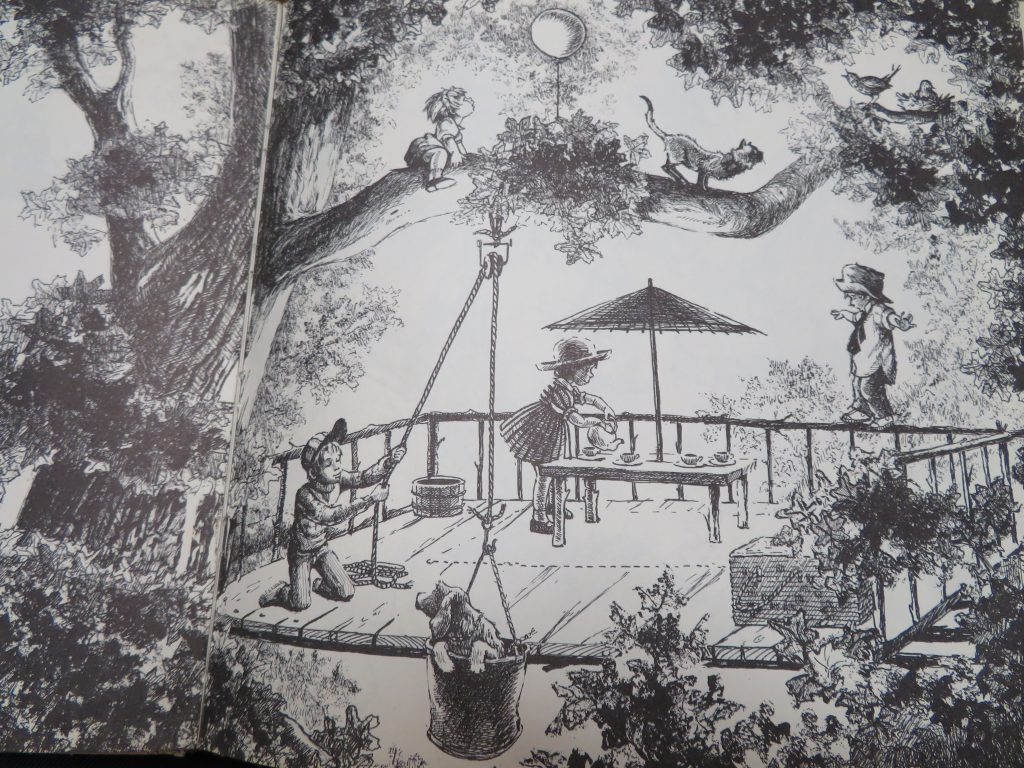
Posted onJanuary 18, 2019|Comments Off on We Were Tired of Living in a House
This book, like Where the Wild Things Are and Andrew Henry’s Meadow, is a fantasy of escape and return. However, while the children here do go a bit wild, unlike Max they are startlingly domestic (much like Andrew Henry, who also originated with Ms. Burn). Rather than having wild rumpuses, they create one cozy new home after another, enjoying each in turn until problems arises and they move on. The pictures are very detailed and add to the sense of exploration (we have the original version and have not seen the updated edition with new illustrations, although the cover looks quite simplistic). And the text is a pleasure to read aloud.
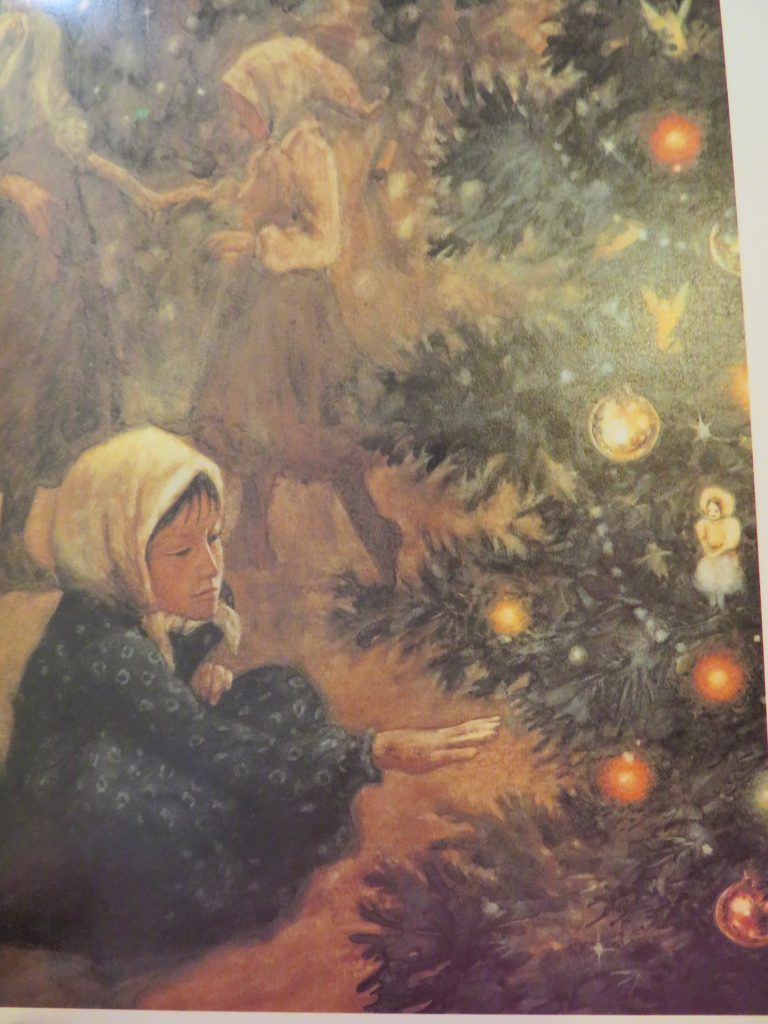
Posted onJanuary 8, 2019|Comments Off on An Ellis Island Christmas
In this story, which was inspired by the author’s grandmother own journey, a Polish family flees war and hunger around the turn of the last century. They are immigrating to the United States to join the husband/father who went first. Nearly all of their possessions (which are already vanishing few by current standards) must be left behind. Their journey via foot and steerage-class is difficult. They don’t speak English. But they have each other and reach Ellis Island on Christmas Day, where they are met with kindness and decency and ultimately welcomed to their new country. We’ve been reading this book for years; this year it was especially meaningful.
Author: Maxinne Rhea Leighton Illustrator: Dennis Nolan
Posted onSeptember 9, 2015|Comments Off on Architecture According to Pigeons
This book purports to be written by a pigeon. And it is about architecture. (Let us accept from the beginning that it is deeply odd.) It is also jam packed with real information; while my oldest has read most (all?) of it, I have not read very much of it aloud. Instead, I’ve focused on the names of the buildings (human and pigeon) and the eye-catching pictures, which had the unexpected result of my youngest (already a huge pigeon fan) becoming sure he spoke fluent pigeon. About six months ago, he frequently approached pigeons asking them excitedly if the were going to see the Great Worm (also known as the Great Wall of China) and was very disappointed when they flew away without responding.
Author: Speck Lee Tailfeather (aided by Stella “Pigeon Whisperer” Gurney)
Illustrator: Natsko Seki
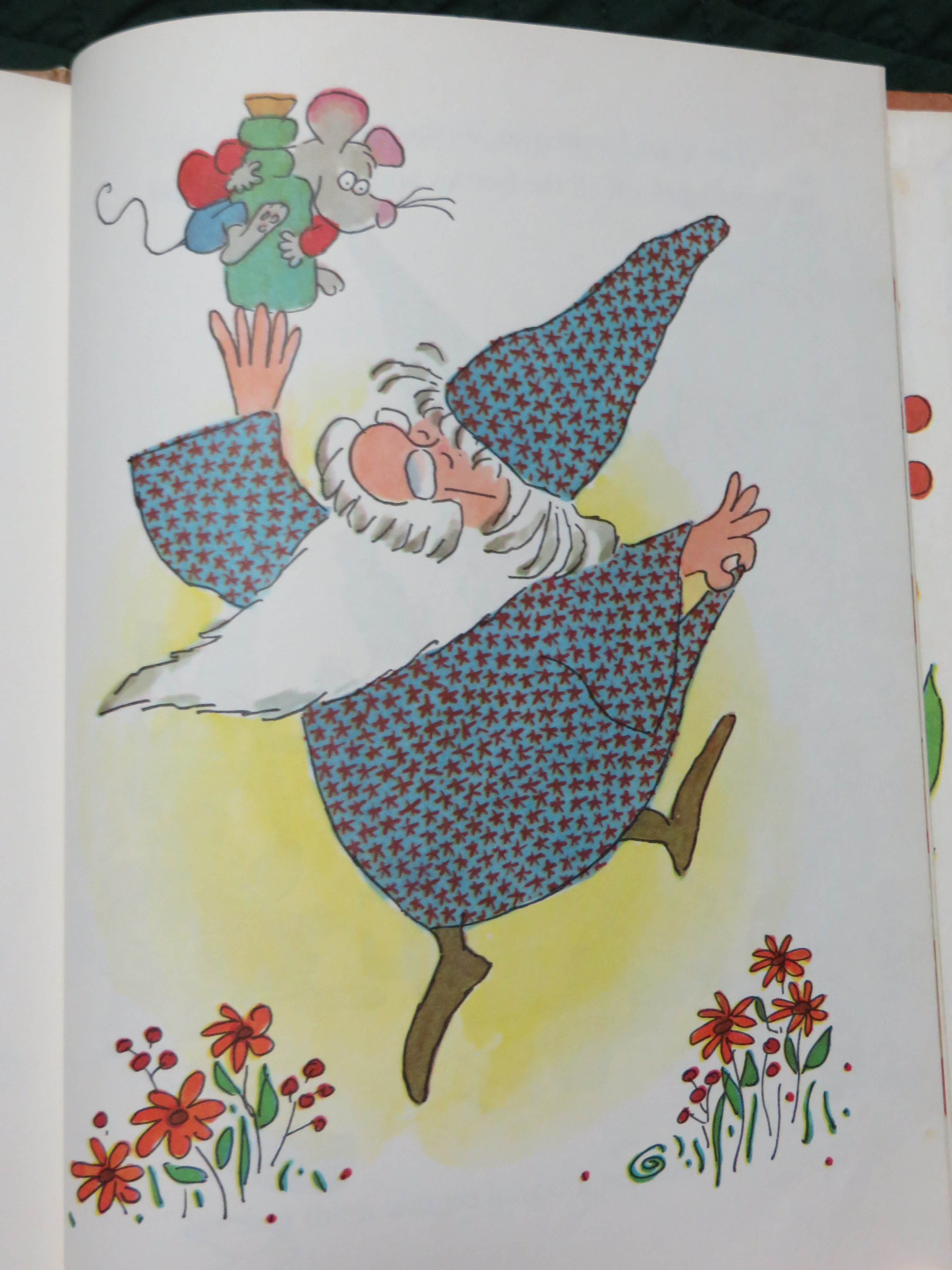
Posted onJuly 23, 2015|Comments Off on The Wizard of Wallaby Wallow
Once upon a time, there was a wizard who didn’t like organizing his spell bottles and a mouse who didn’t like being a mouse. When the mouse asks the wizard for a spell to make him “something else,” the wizard gives him an unlabeled bottle that (effectively, if not magically) ends up solving both of their problems.
Jack Kent’s distinctive drawings and strong sense of humor make this book very popular with the boys (and I like the message of self acceptance).